Whakairo & toi Māori
Ngā Puna Waihanga grows the practice of whakairo through intergenerational learning, waka carving and pathways for emerging artists.
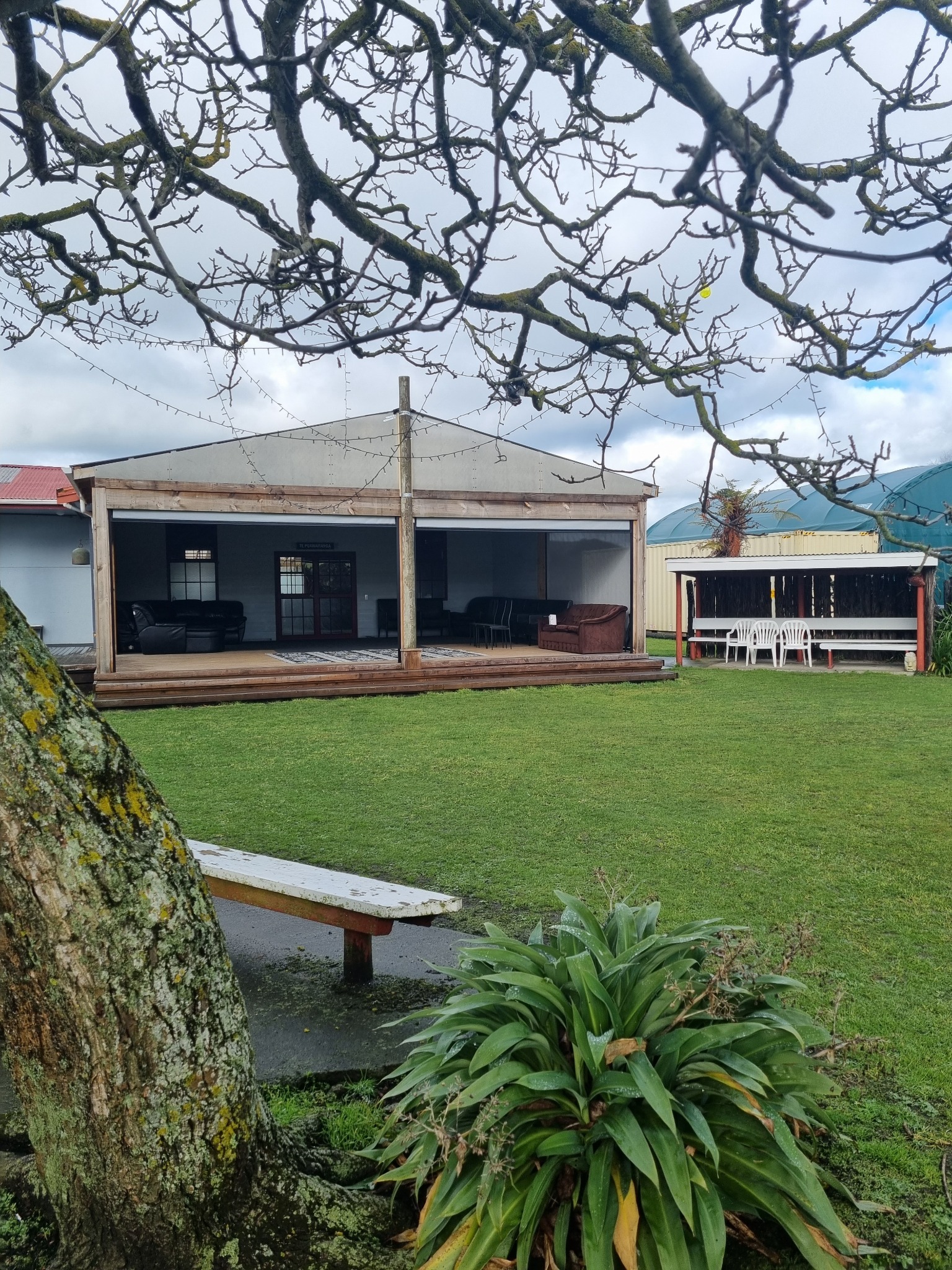
He kāinga, he taonga, he tūrangawaewae
Ko te Puāwaitanga o te whakaaro nui
Bringing to fruition our deepest aspirations.
Ko wai mātou
A place of connection and learning
Te Ao Hou Marae is situated in Aramoho, overlooking the banks of the Whanganui River, approximately 8 km from Whanganui CBD. The marae is part of the tribal region of Ruapehu te maunga, Whanganui te awa, Te Āti Haunui-a-Pāpārangi te iwi.
Ko Ngāti Tupoho ki Te Ao Mārama te hapū. Ko Te Puāwaitanga o te Whakaaro Nui te wharepuni. Ko Te Ao Mārama te wharekai. Ko Te Ao Hou te marae.
The names of the houses give reference to the focus given and handed down by the elders: to bring to fruition your deepest aspirations, leading to a place of enlightenment and clarity from which to stand strong in the new world.
He marae ora
Our kaupapa in action
Ngā Puna Waihanga grows the practice of whakairo through intergenerational learning, waka carving and pathways for emerging artists.
Our life beside the Whanganui River shapes our tikanga, environmental restoration, waka kaupapa and responsibility to generations yet to come.
Wānanga, movement, kai, connection and manaakitanga create a safe, inclusive place where whānau and community can flourish.
Food-growing, permaculture, emergency readiness and practical local action strengthen the wellbeing and resilience of our community.
Long-term planning for housing and marae development seeks to create dignified, sustainable places for whānau to live and belong.
Māra kai
He māra, he oranga
Te Ao Hou Marae has emphasised the development of māra kai, a food forest and riparian planting. The food forest has recently been established and is thriving. Further native planting has seen the return of native birdsong in the morning.
A growing, productive food forest strengthens food resilience and provides a living place for learning through every season.
Continued native planting is restoring habitat and welcoming the sound of native manu back to the marae each morning.
The chicken coop allows the marae to dispose of suitable food scraps while supplying eggs in return. Composting helps build nutrient-dense soil for future harvests.
Planting beside the awa creates a healthier environment and provides habitat for īnanga (whitebait) spawning grounds.
We are not experts—but nature is the teacher: from planting and caring to harvesting, storing and preserving seed. The pictures of our māra capture the seasons.
Oranga tinana
Wellness in action
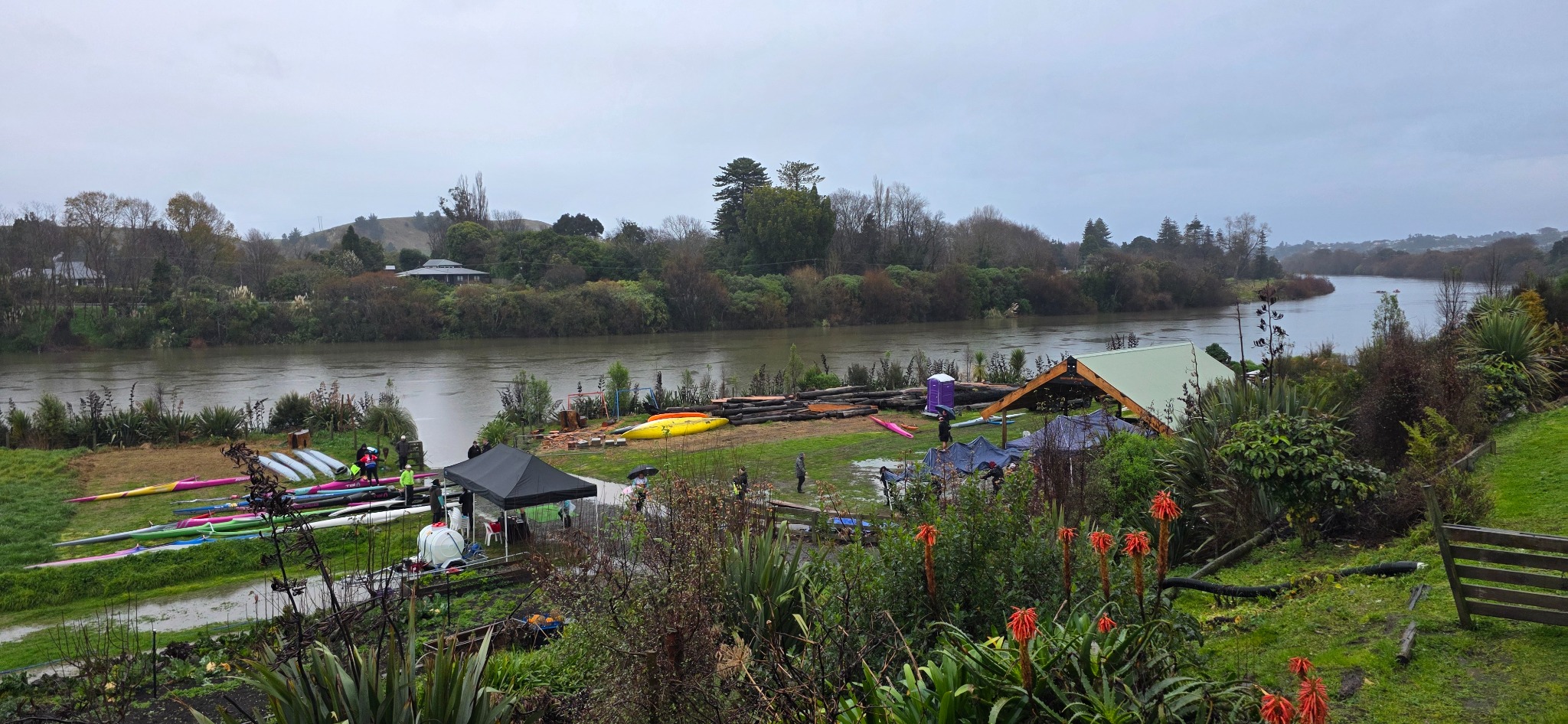
Te Ao Hou Marae is committed to wellness as part of marae development. We support activities that strengthen tinana, whanaungatanga and connection to Te Awa Tupua.
Te Awa Tupua
Tai Awa Waka Ama is based at Te Ao Hou Marae on the riverbank. The kaupapa connects paddlers with the Whanganui River, physical wellbeing, teamwork and collective achievement.

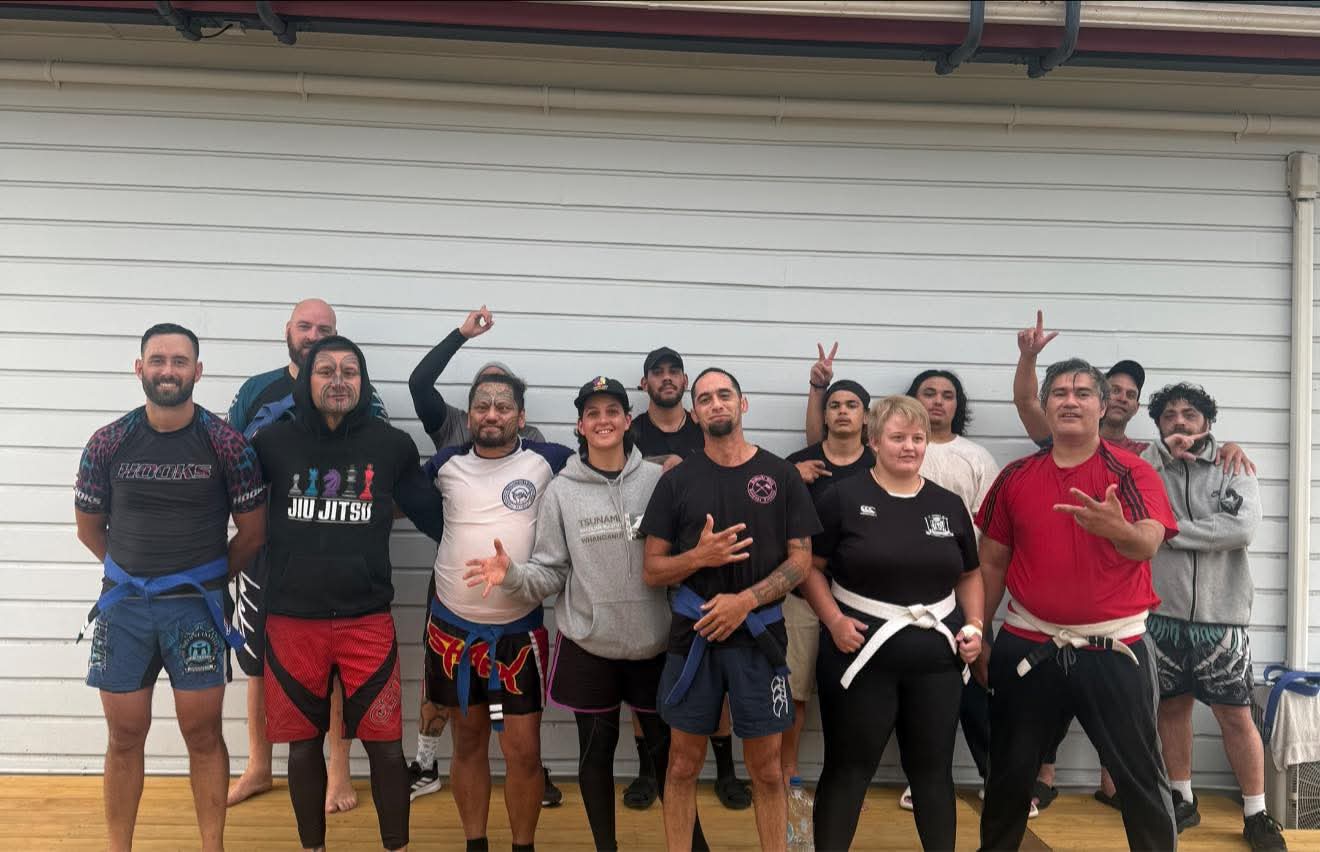
Weekly movement
During the week the marae hosts jiu-jitsu sessions every Monday, Wednesday and Friday, creating regular opportunities for skill development, fitness and connection.
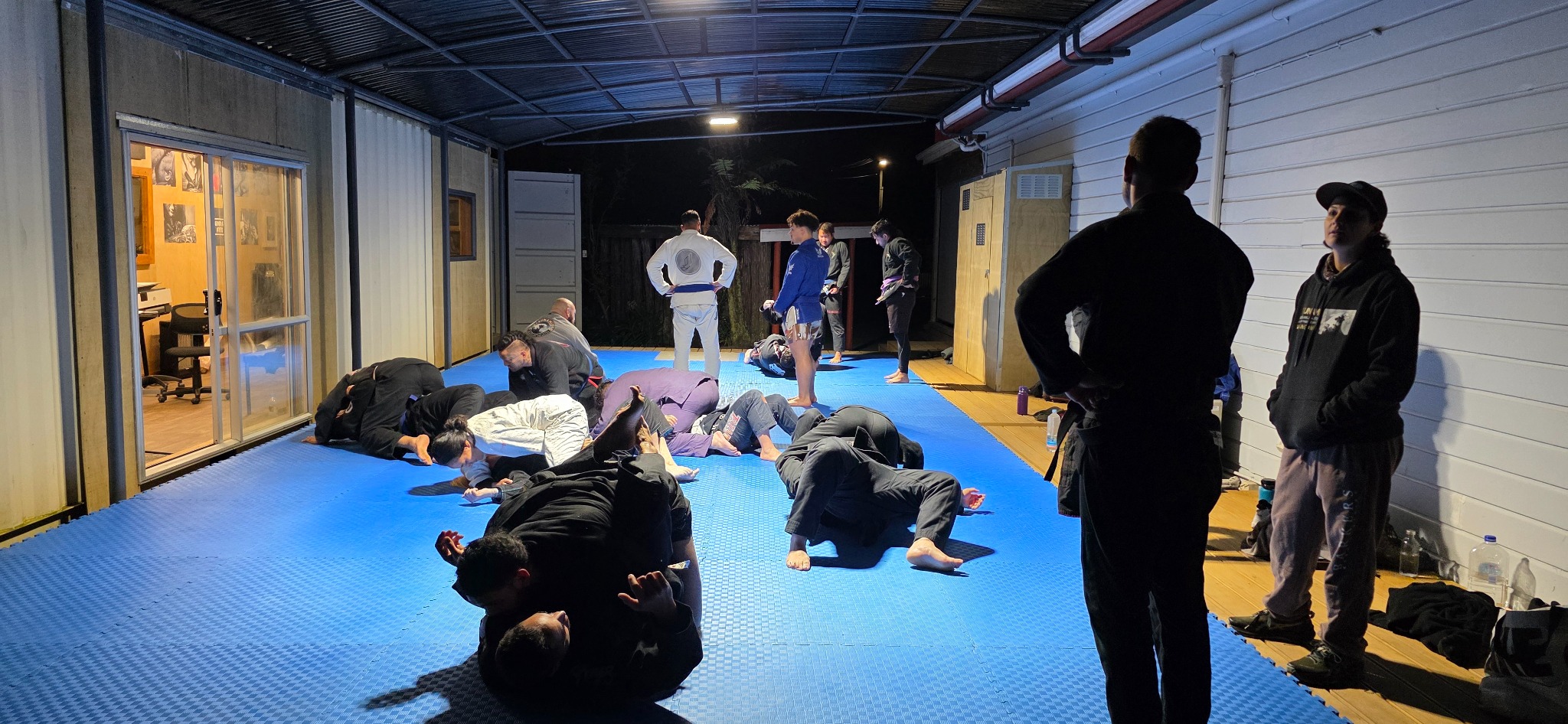
Marae facilities
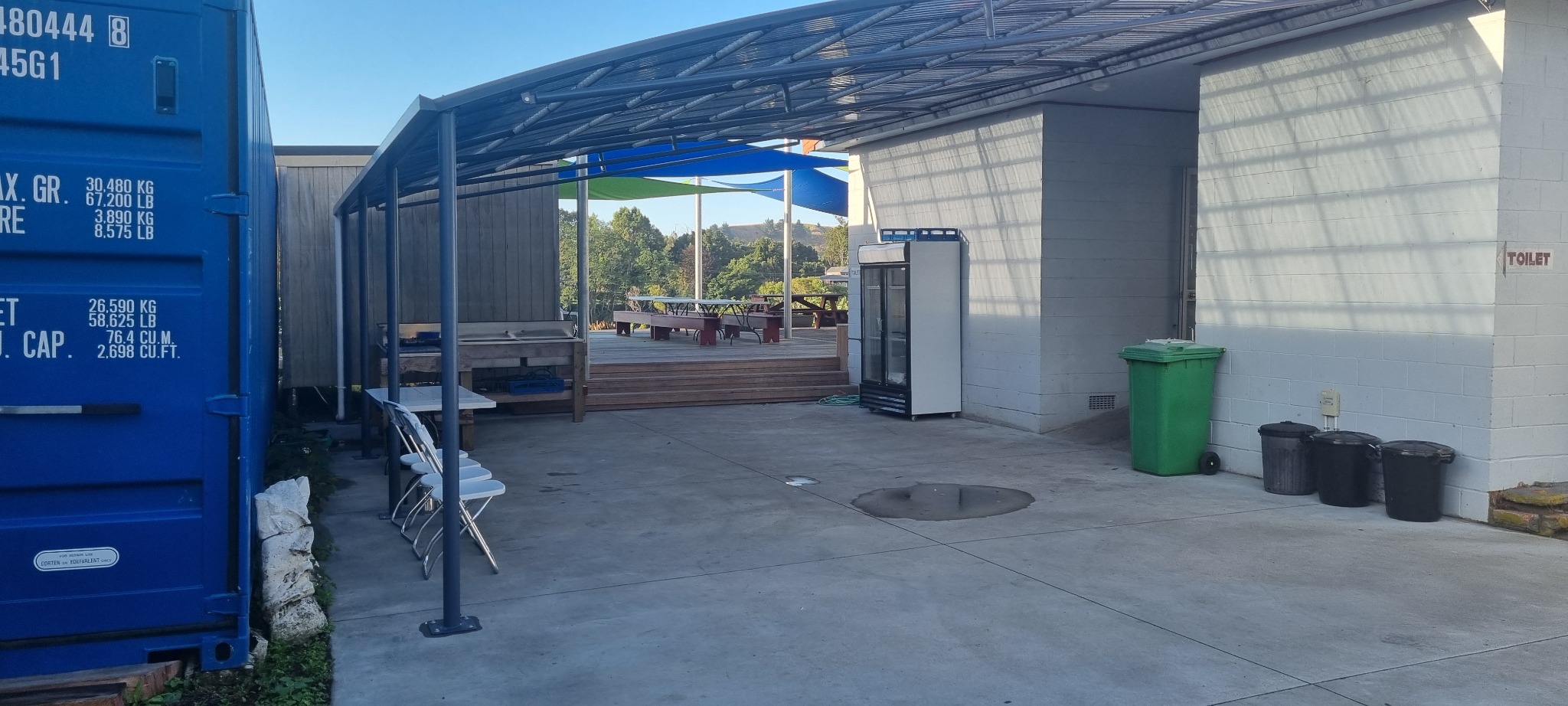
A gym has been established for marae users in the back container, providing an accessible place for strength, conditioning and individual wellbeing.
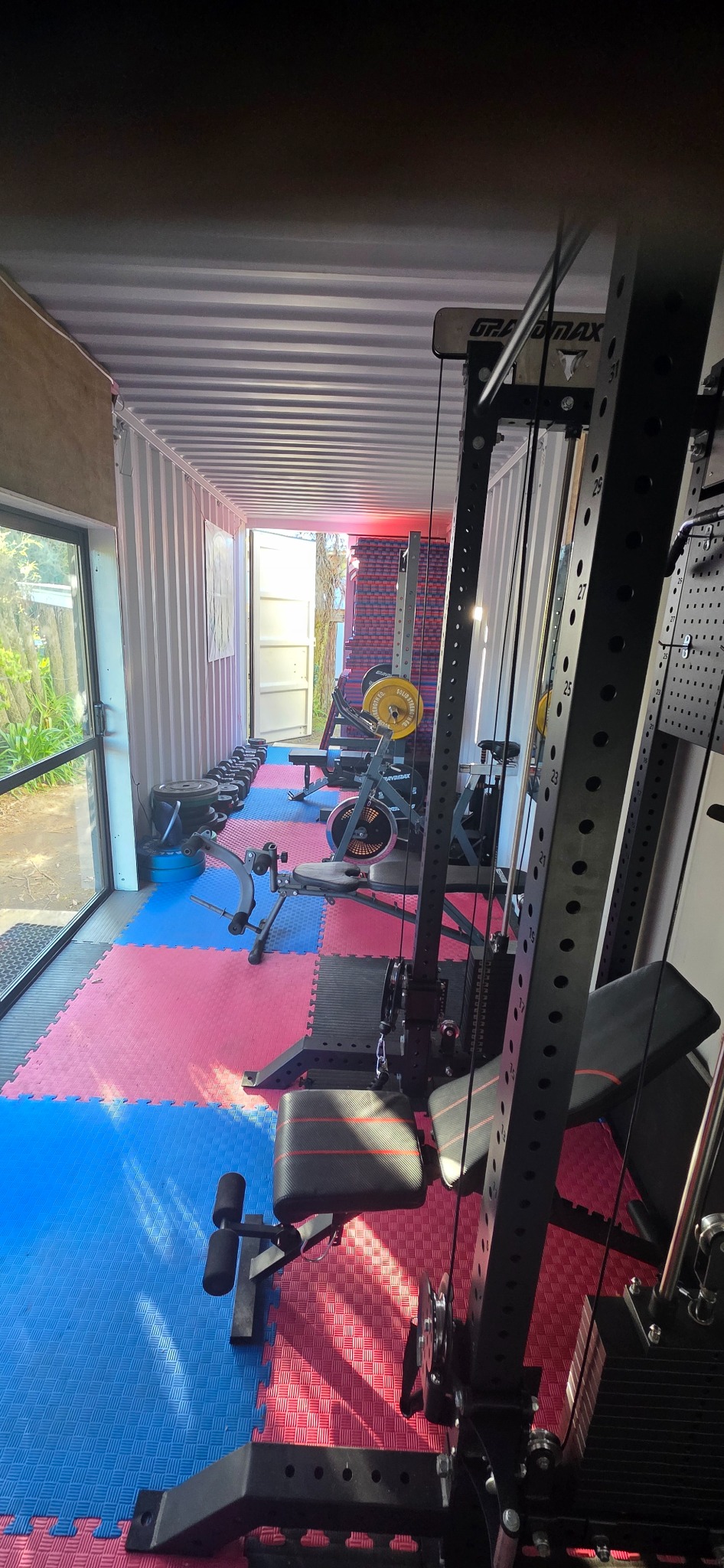
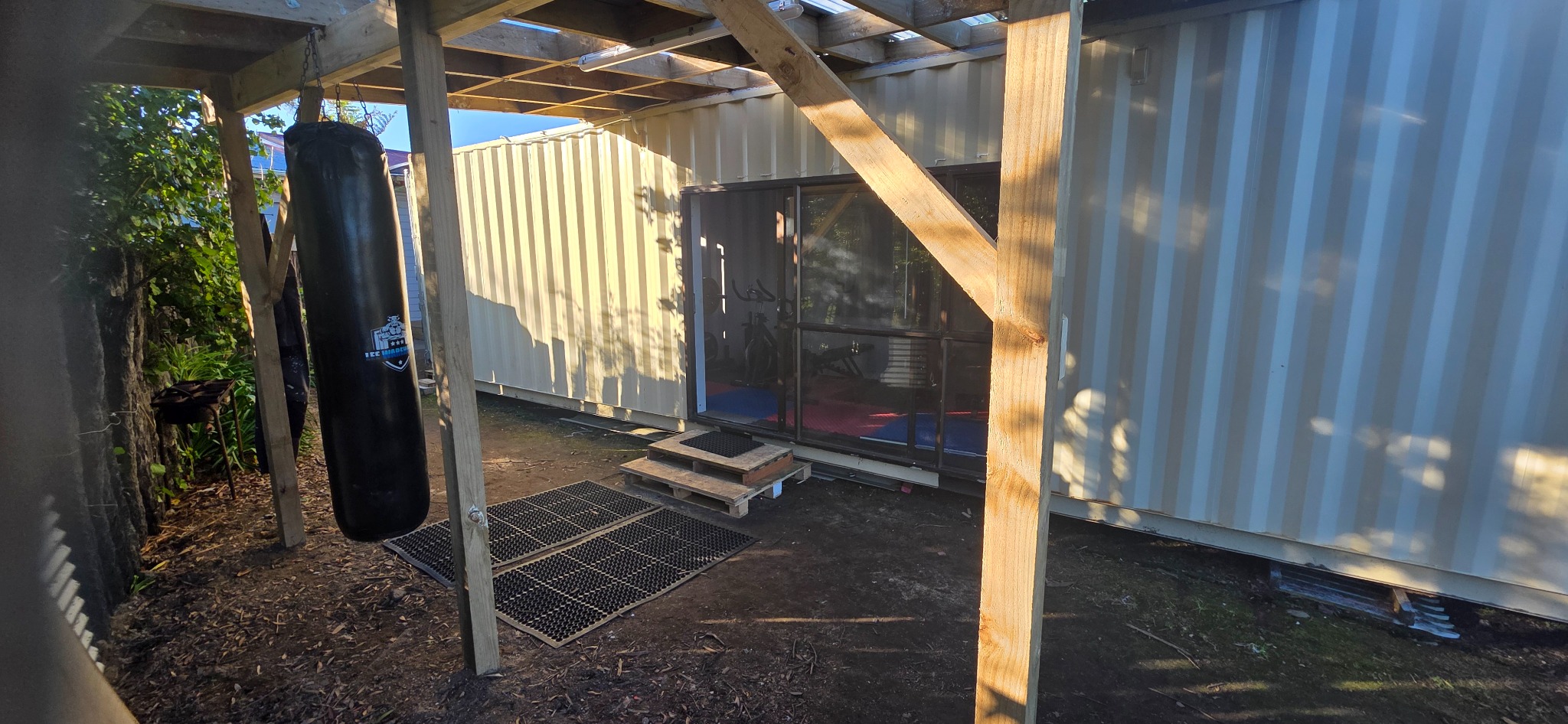
 Te Ao Hou Marae · Photo: Mark Amery / RNZ
Te kura whakairo
Ngā Puna Waihanga
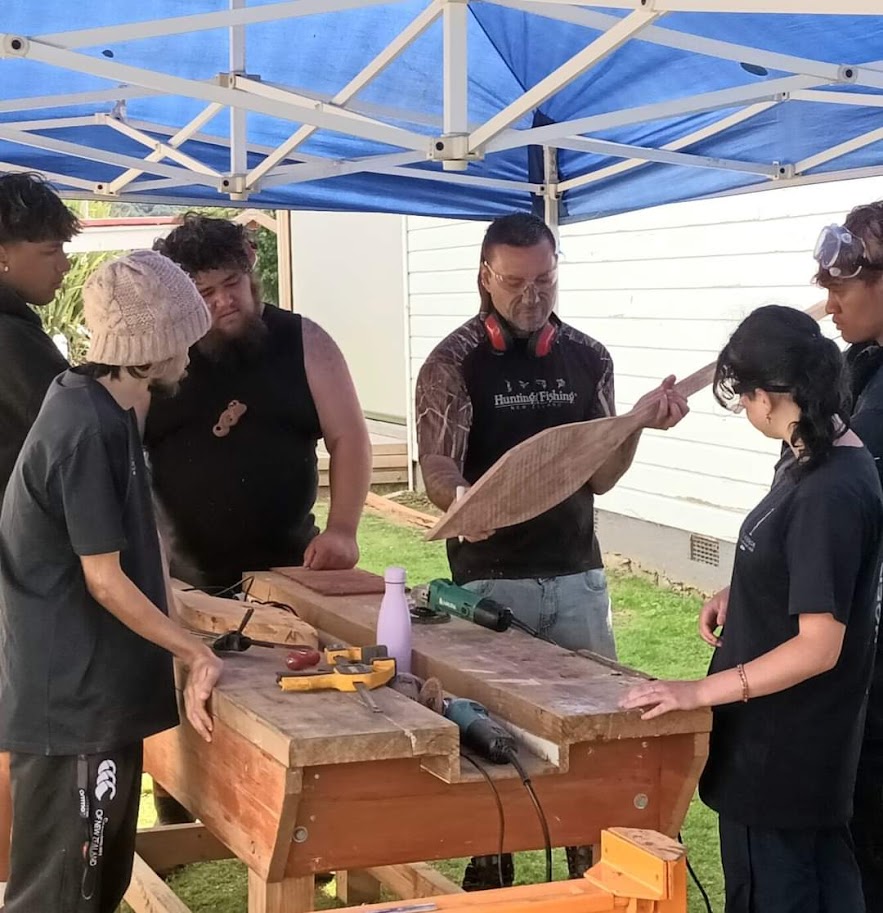
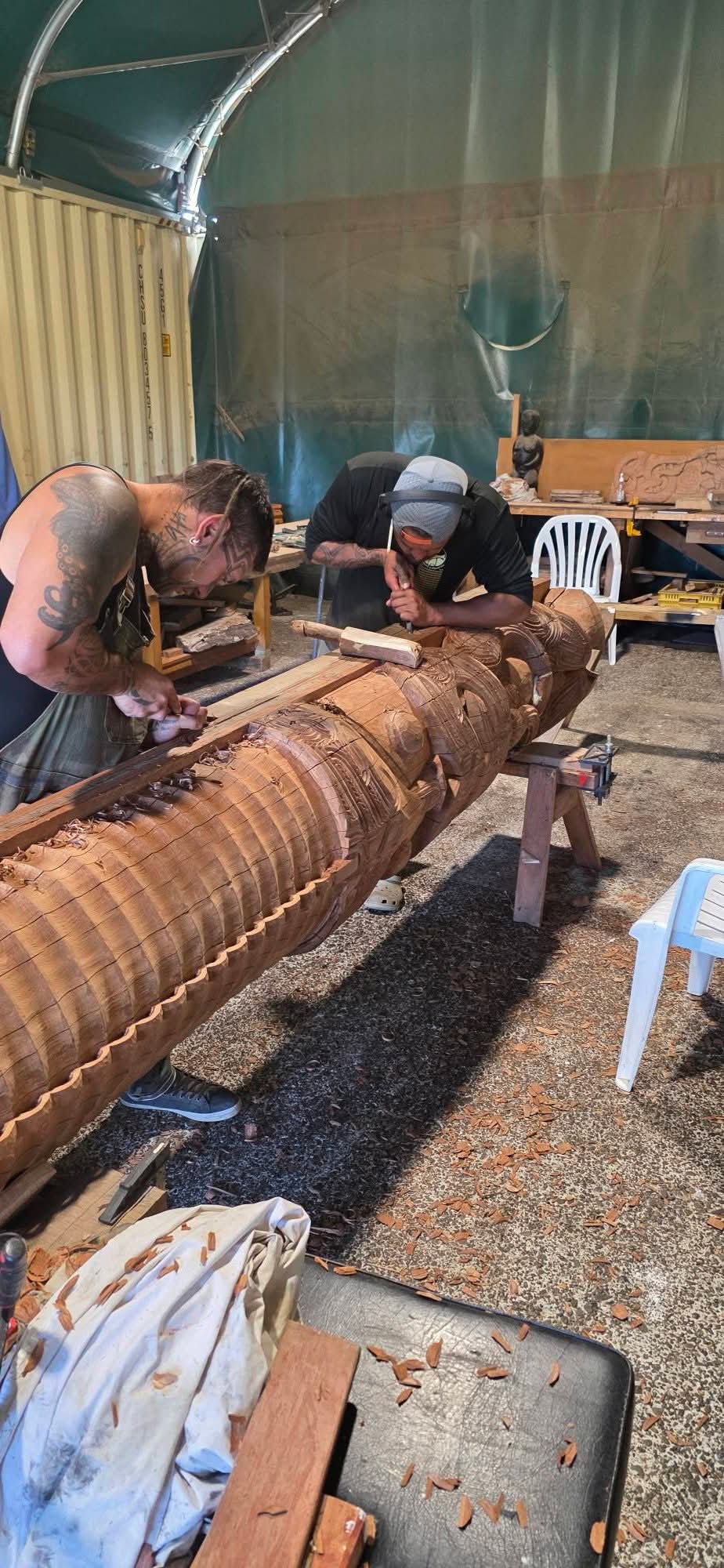
The revitalisation of carving over the last three years continues the focus of our toi. Inspired by our people who dressed the house with tukutuku, the men quickly followed.
The name Ngā Puna Waihanga pays homage to the renaissance led by our Māori people during the 1970s, inspiring the next generation of weavers, carvers, painters, sculptors, poets and storytellers. Te Ao Hou Marae has benefited from the aunts and uncles who laid the foundation, which is now carried by this generation of carvers. The sound of the chisels is a welcome language.
Ngā Puna Waihanga in action
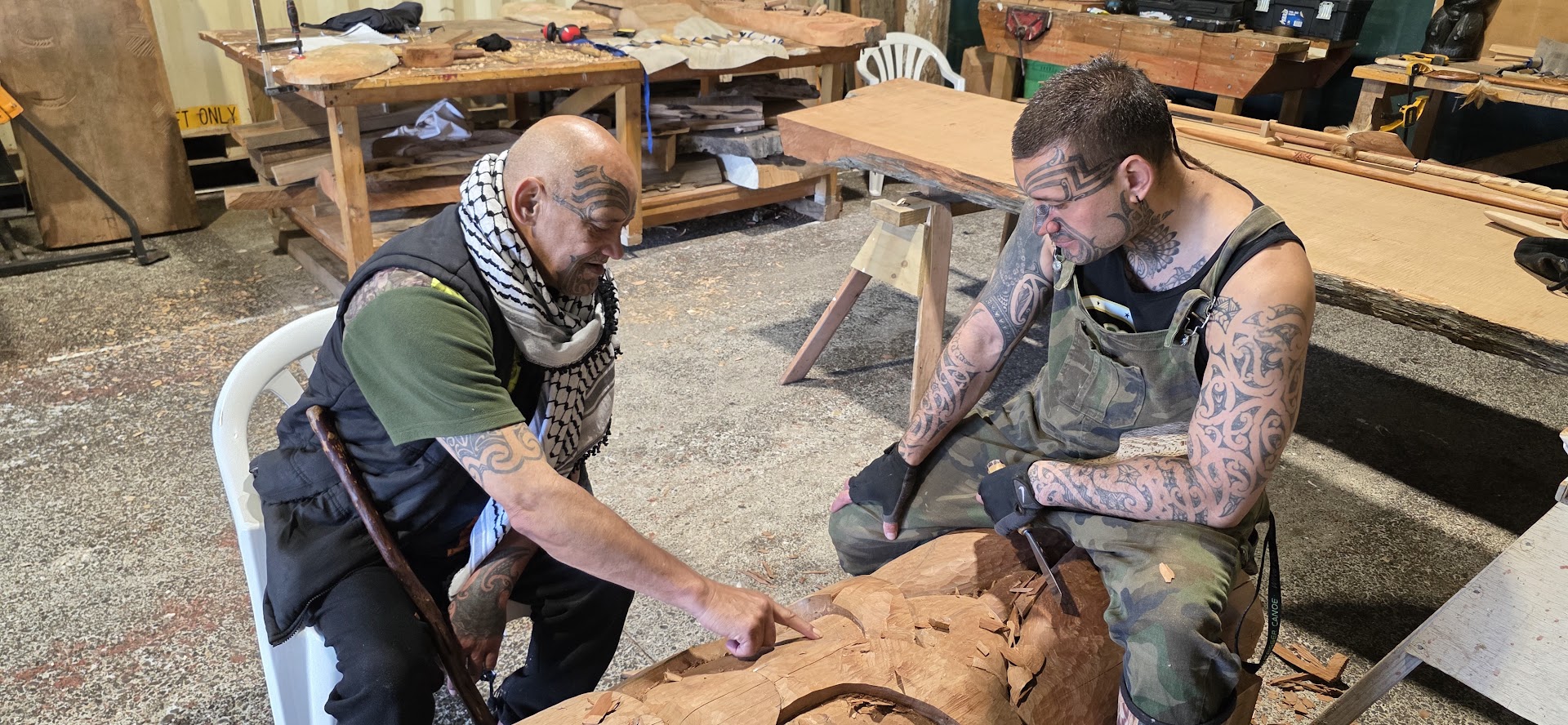
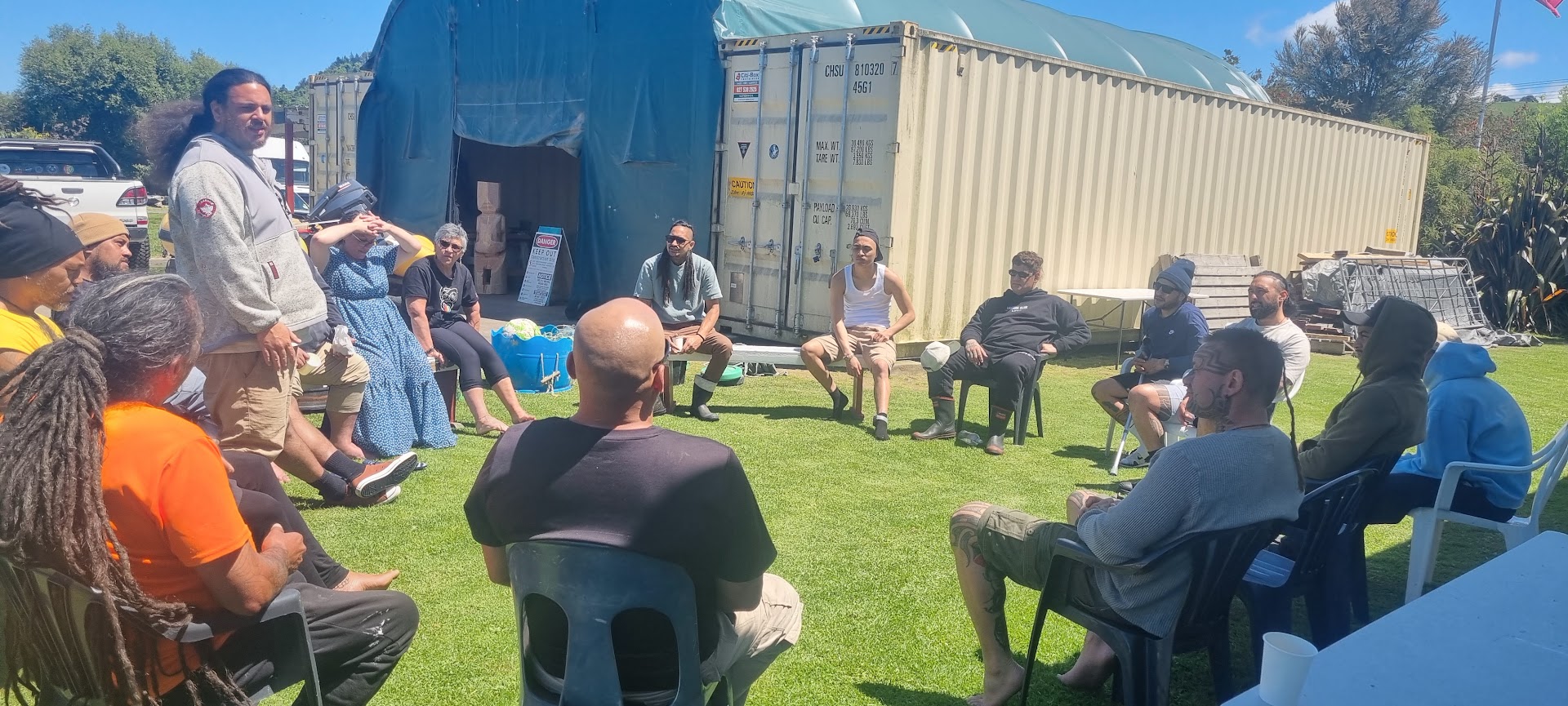
He kaupapa ora
Watch and connect
Follow the work taking place at Te Ao Hou Marae through these videos and updates about whakairo, rangatahi and the restoration of īnanga spawning habitat beside Te Awa Tupua.
See the range of whakairo projects taking shape at Te Ao Hou Marae and hear the chisels at work.
Watch on Facebook ↗A wānanga bringing rangatahi together under the guidance of kaiako at Te Ao Hou Marae.
Watch on Facebook ↗Learn about the community restoration kaupapa supporting īnanga and atutahi spawning habitat along the Whanganui River.
Ngā wawata
Future marae development
Te Ao Hou remains committed to providing high-quality facilities that can be used by our community. These aspirations reflect work underway as at July 2026.
The eight-hectare block is opposite Churton School. A master plan has been completed by BECA, and we are analysing it, preparing to lodge pre-consent material with Whanganui District Council and compiling a business plan.
At the appropriate time, more will be disclosed to the community. The housing is intended for whānau and the wider community.
We have engaged with council and a builder to develop three sleepouts that can be used alongside current marae facilities. Each cabin falls within the 30 m² threshold and will add further value to marae use.
The area between the urupā and Kōhanga Reo has been cleared, reclaiming land that could be used for a multi-court recreation area. A co-design process with Kōhanga Reo would scope the development.
Ngā rawa o te marae
Marae facilities
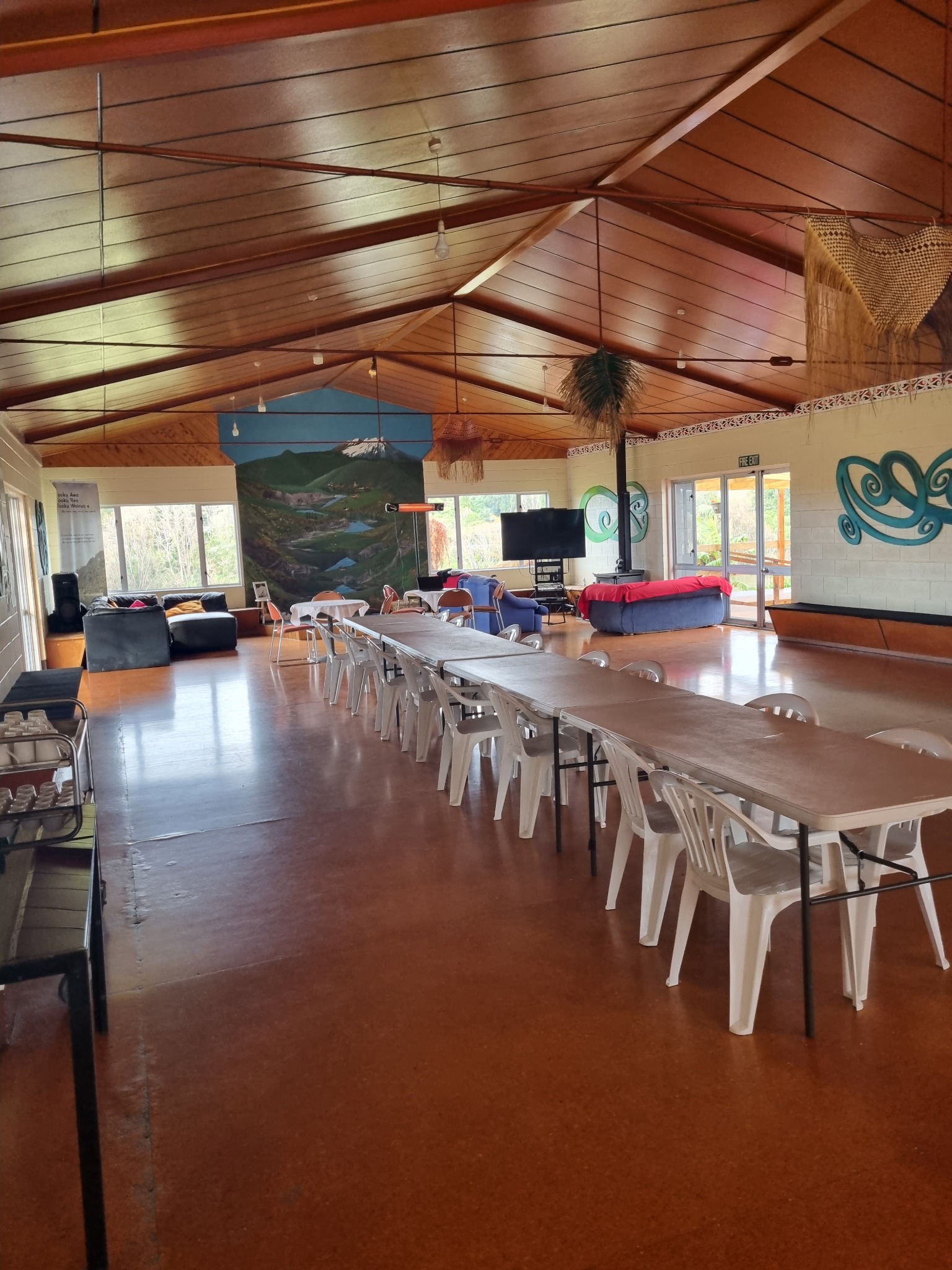
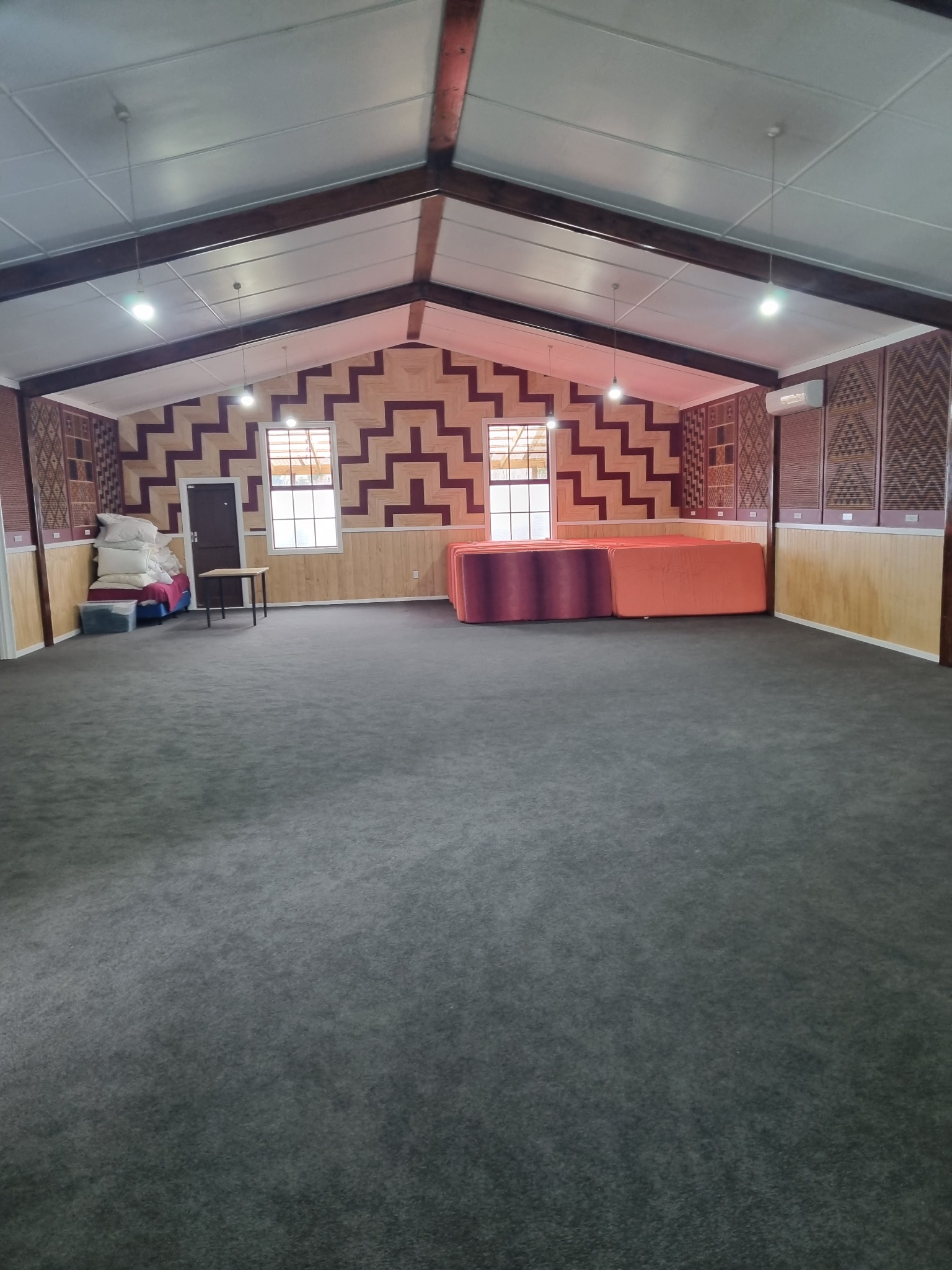
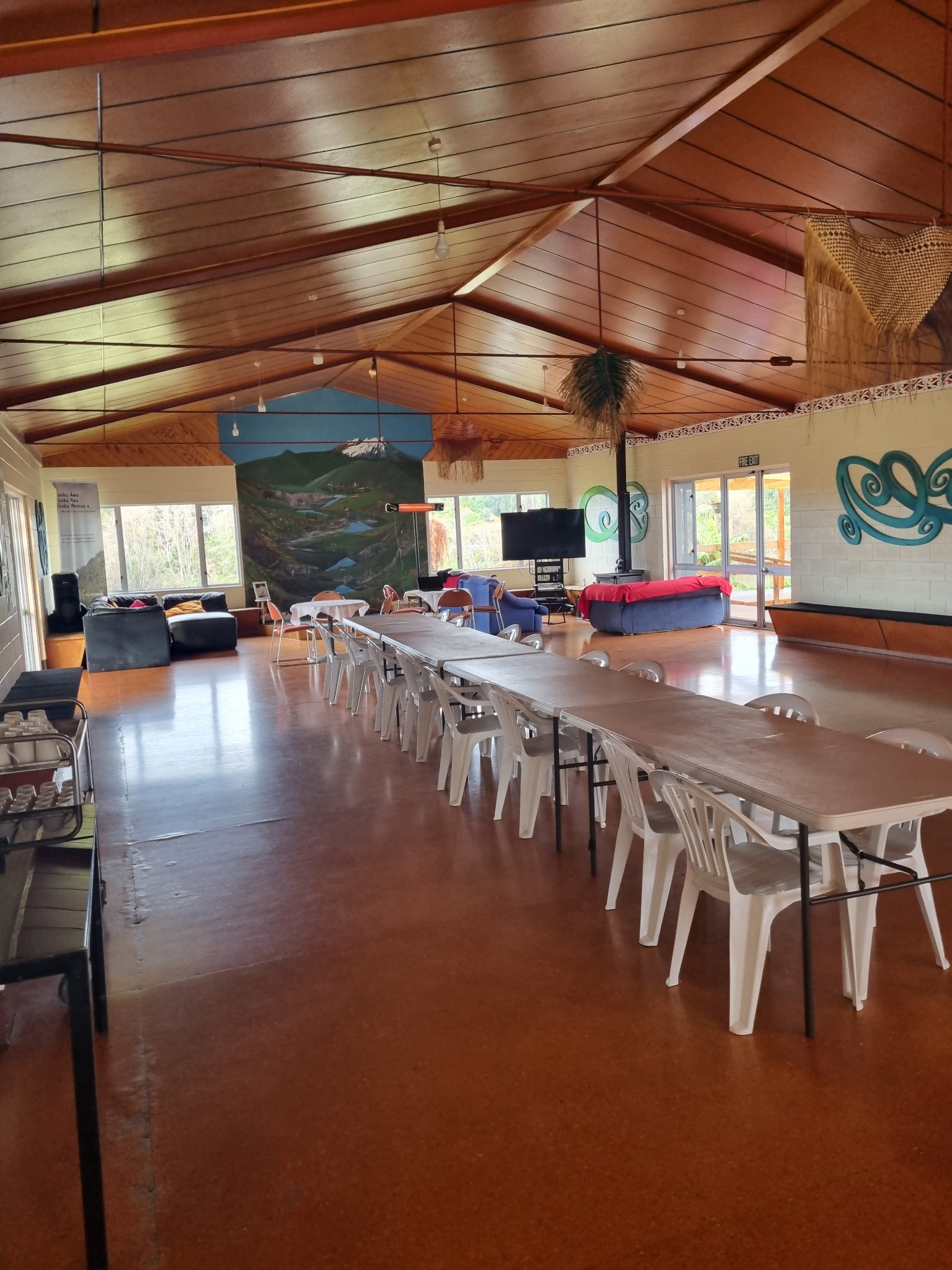
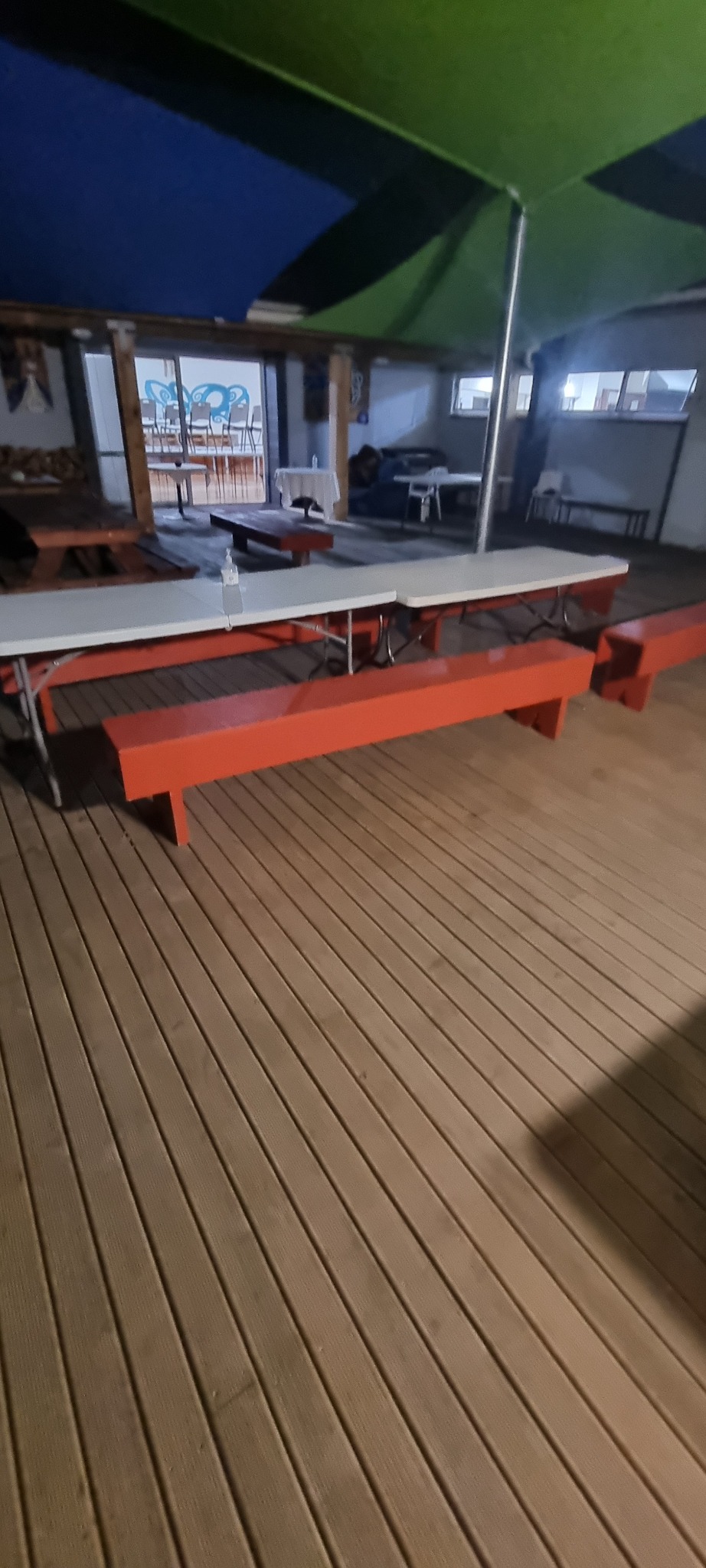
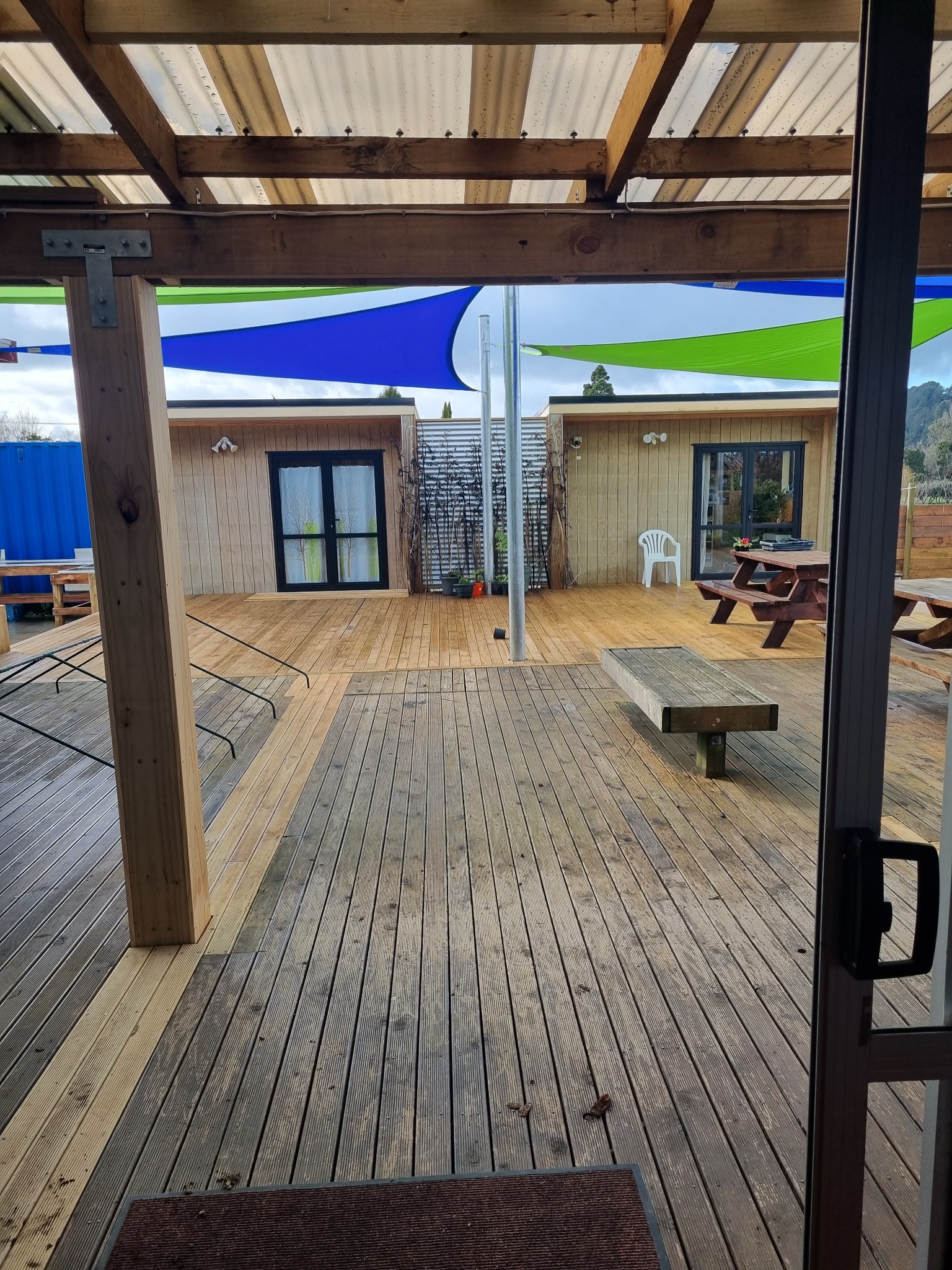
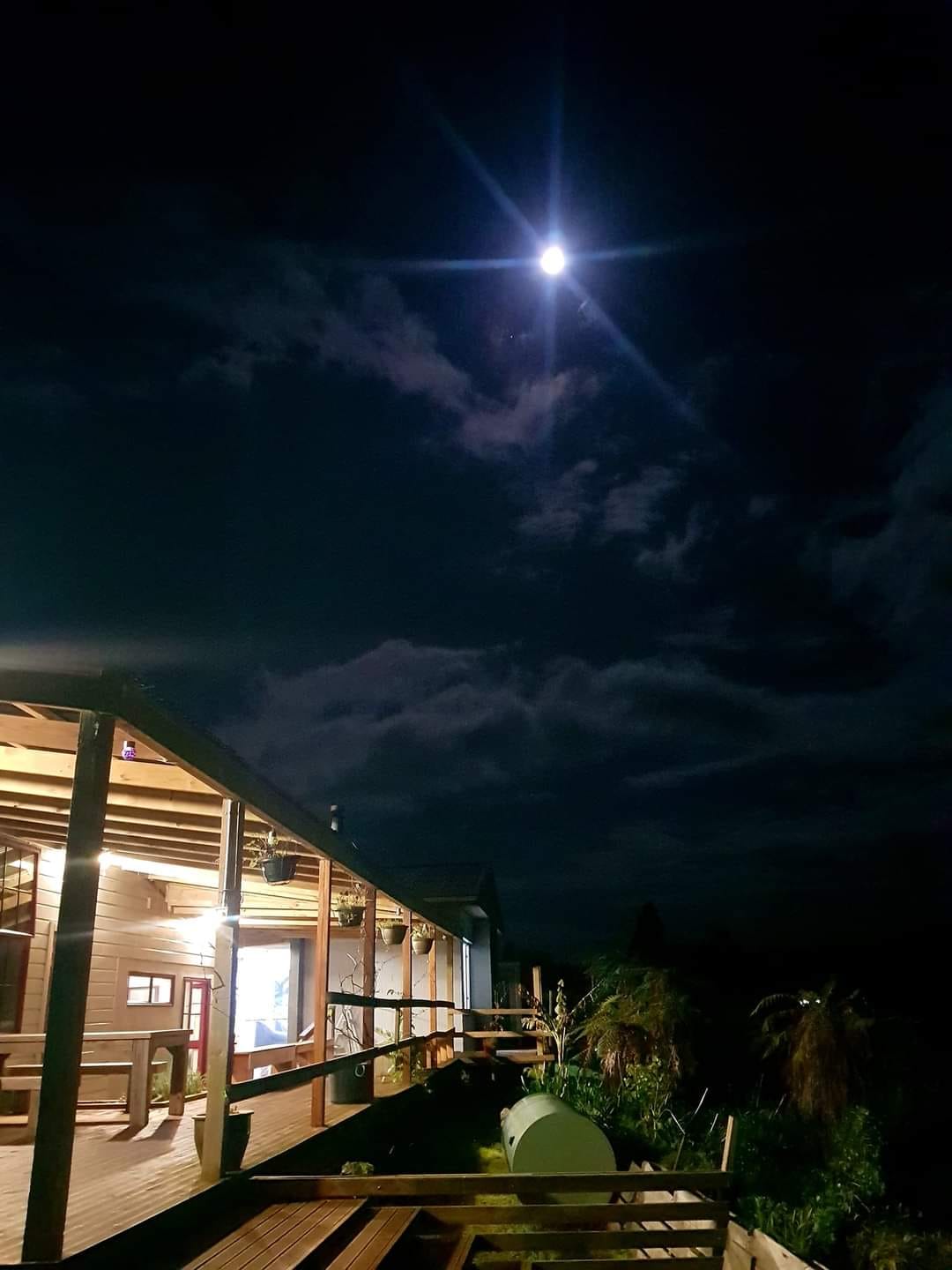
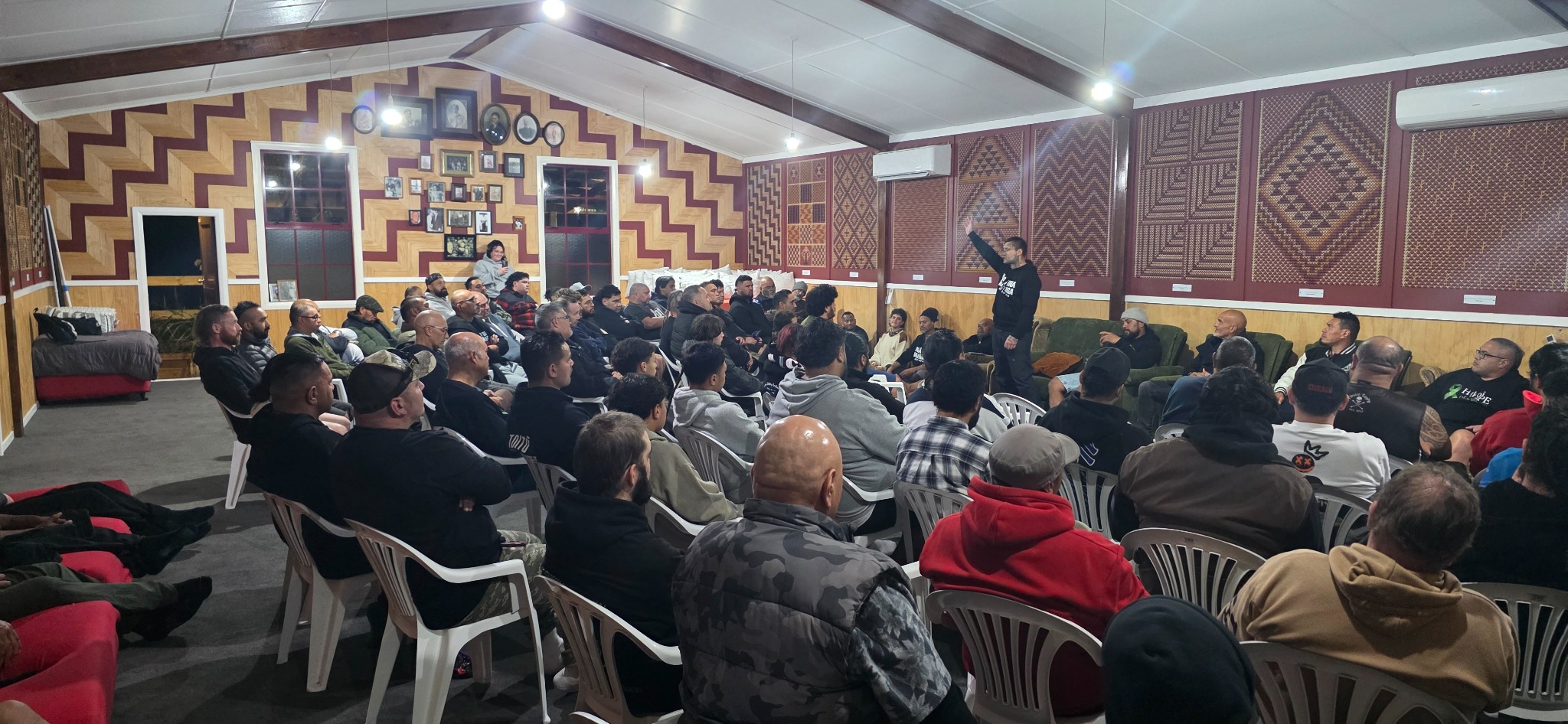
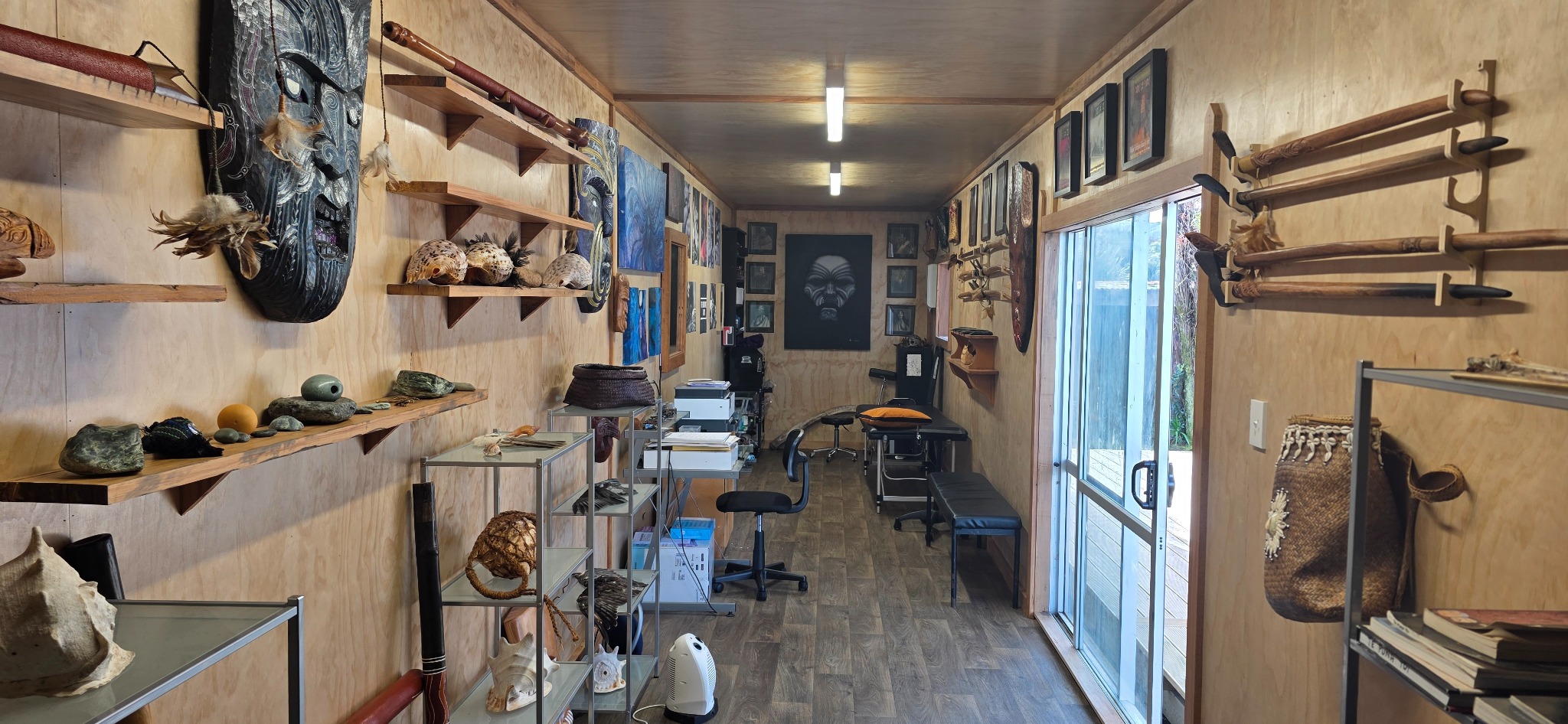
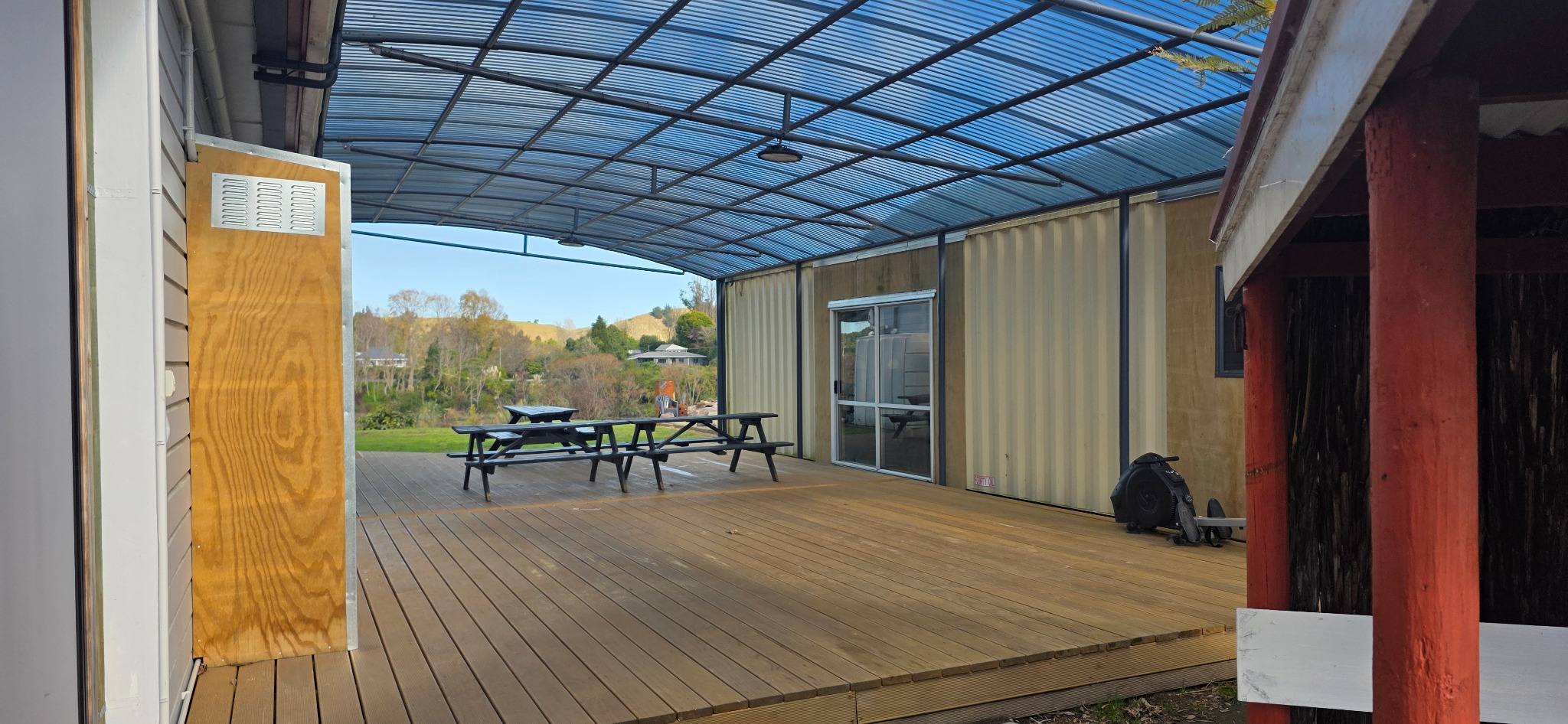
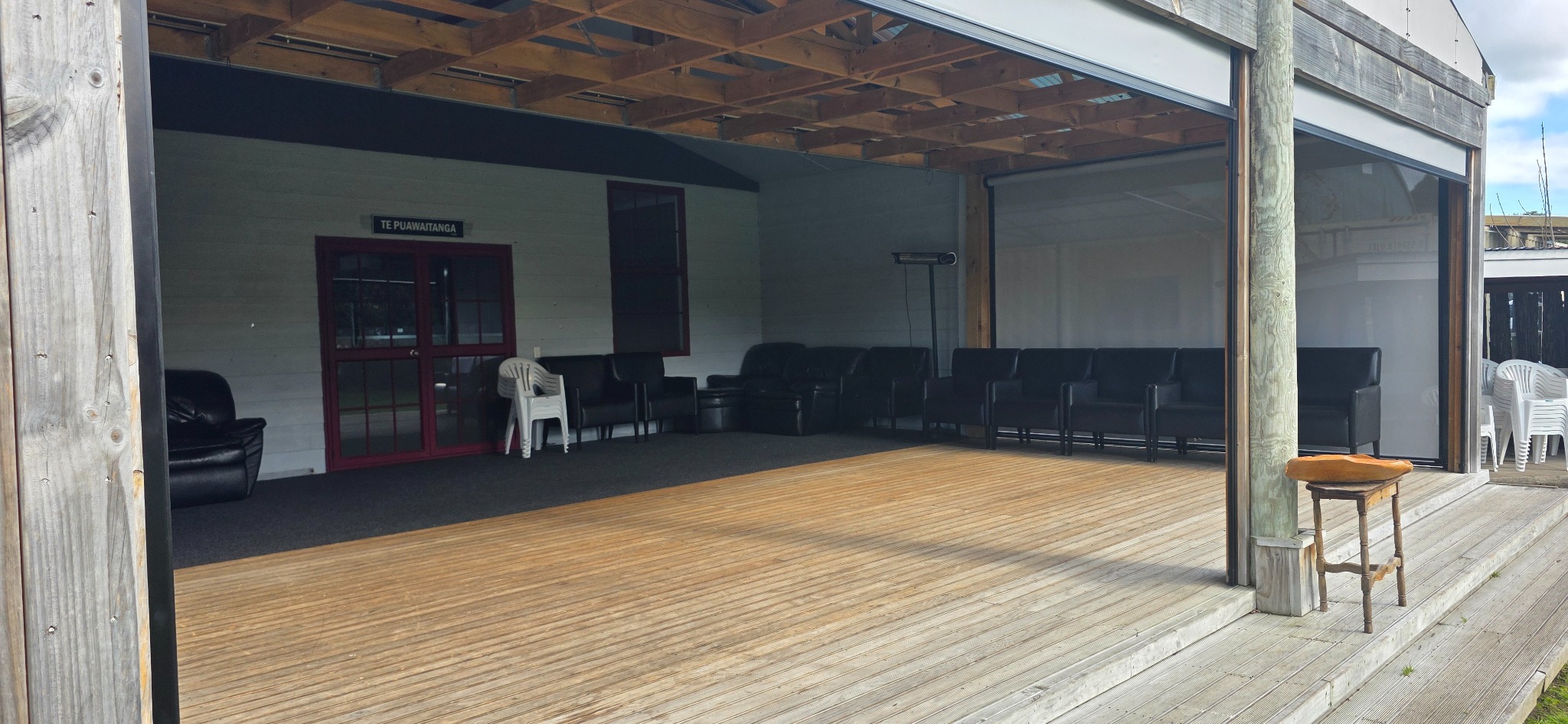
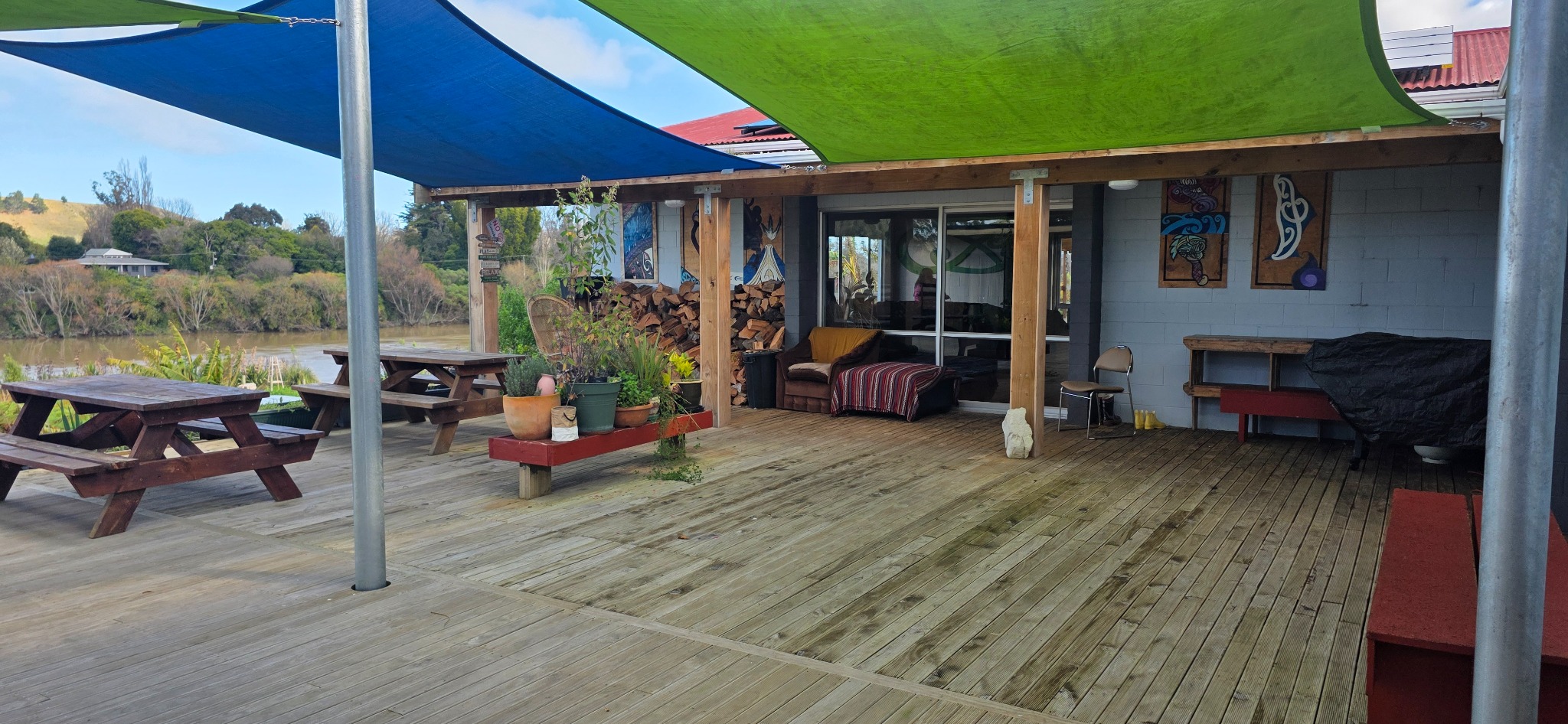
Te Ao Hou Marae is available for hireage and is an alcohol- and drug-free venue. The marae can sleep up to 50 people and can seat up to 100 people. Unlimited Wi-Fi, conference-style TV facilities and breakout spaces support hui, conferences, wānanga and community gatherings.
A glimpse inside
Whakaahua
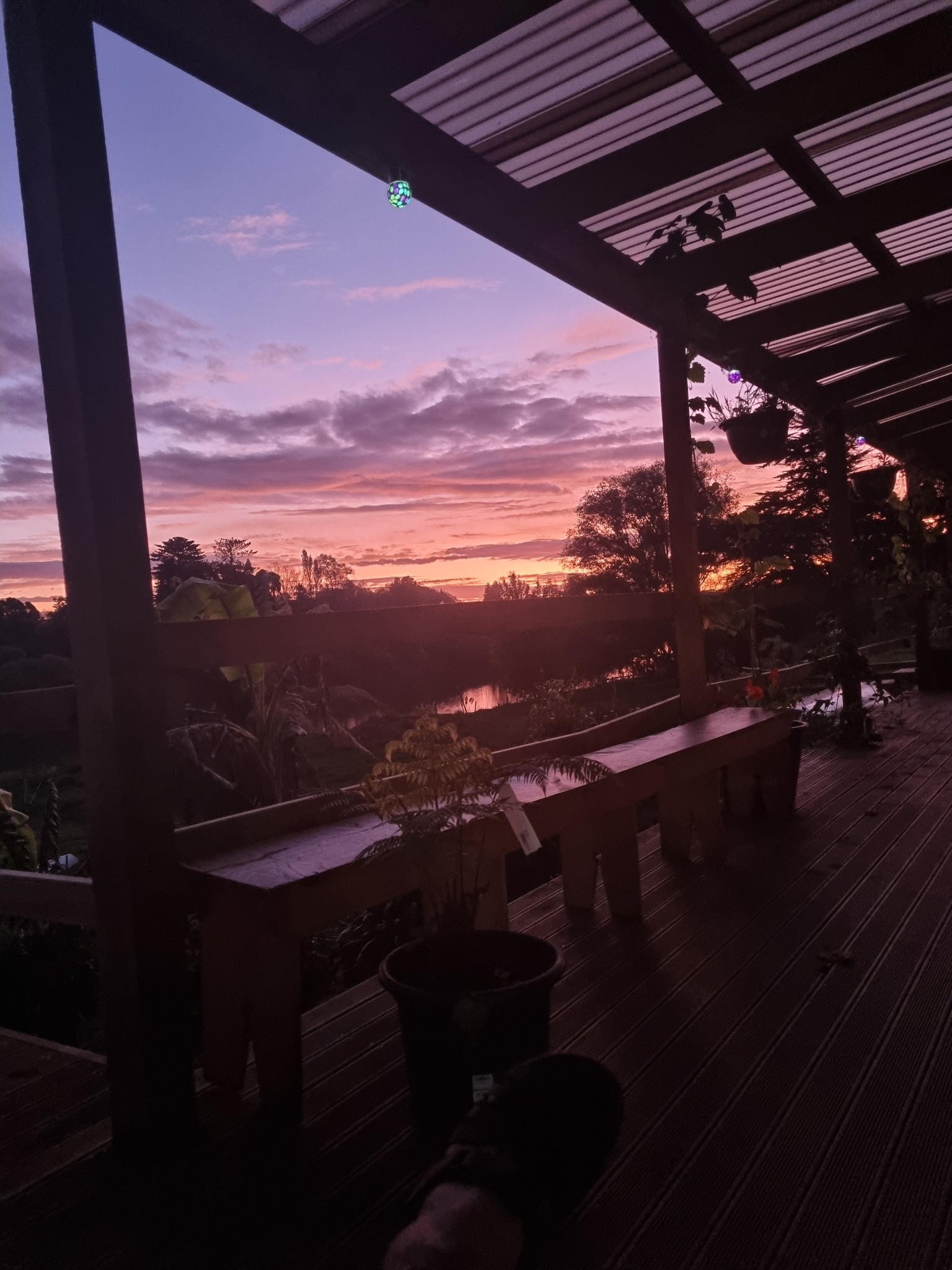
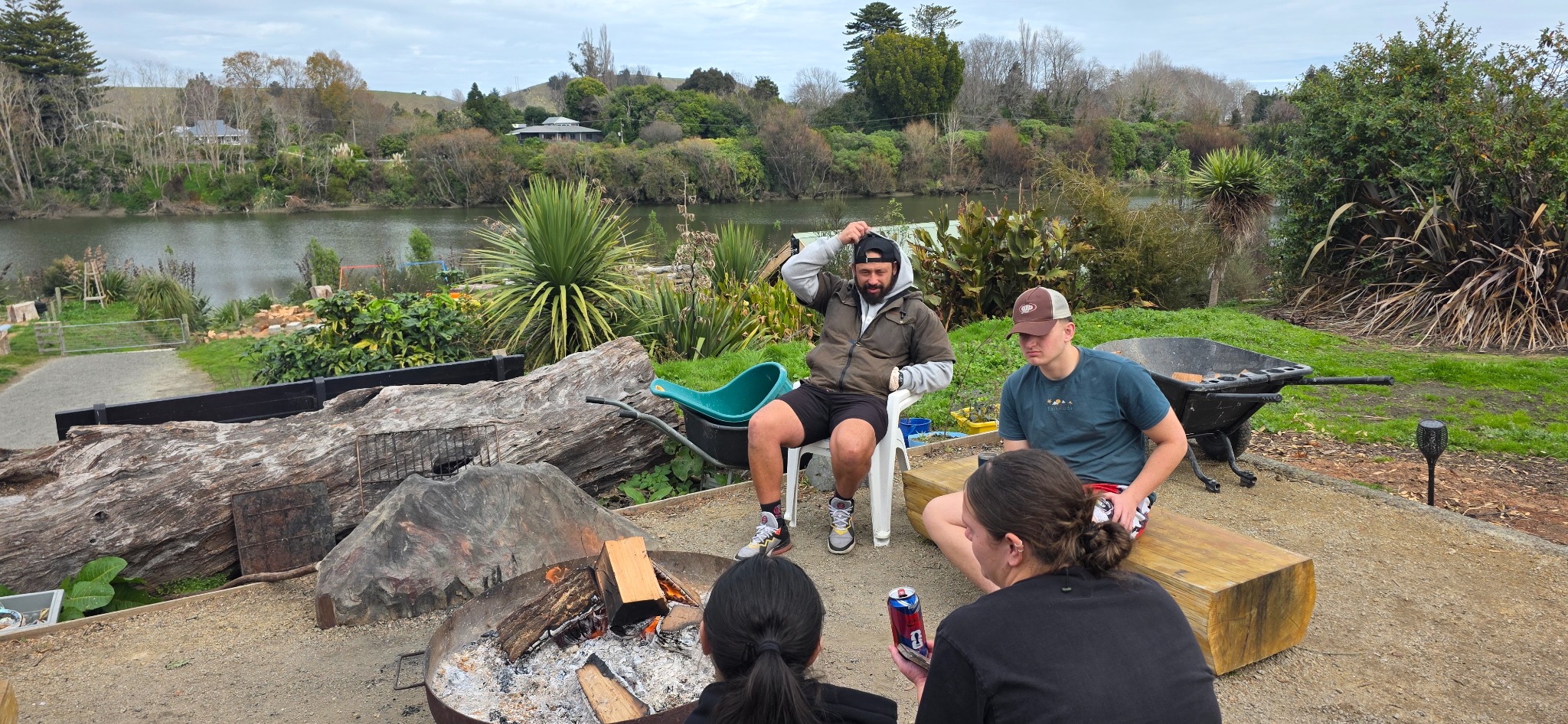
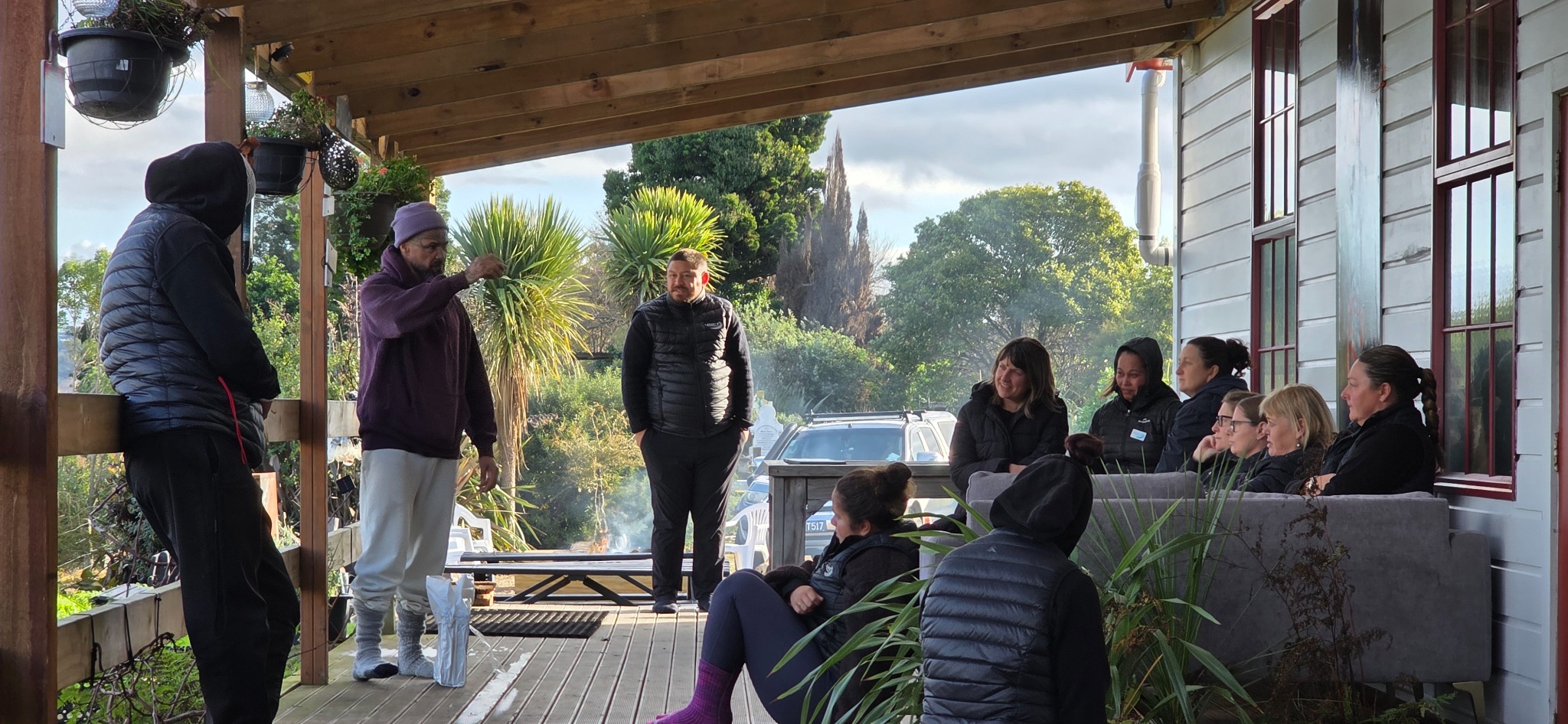
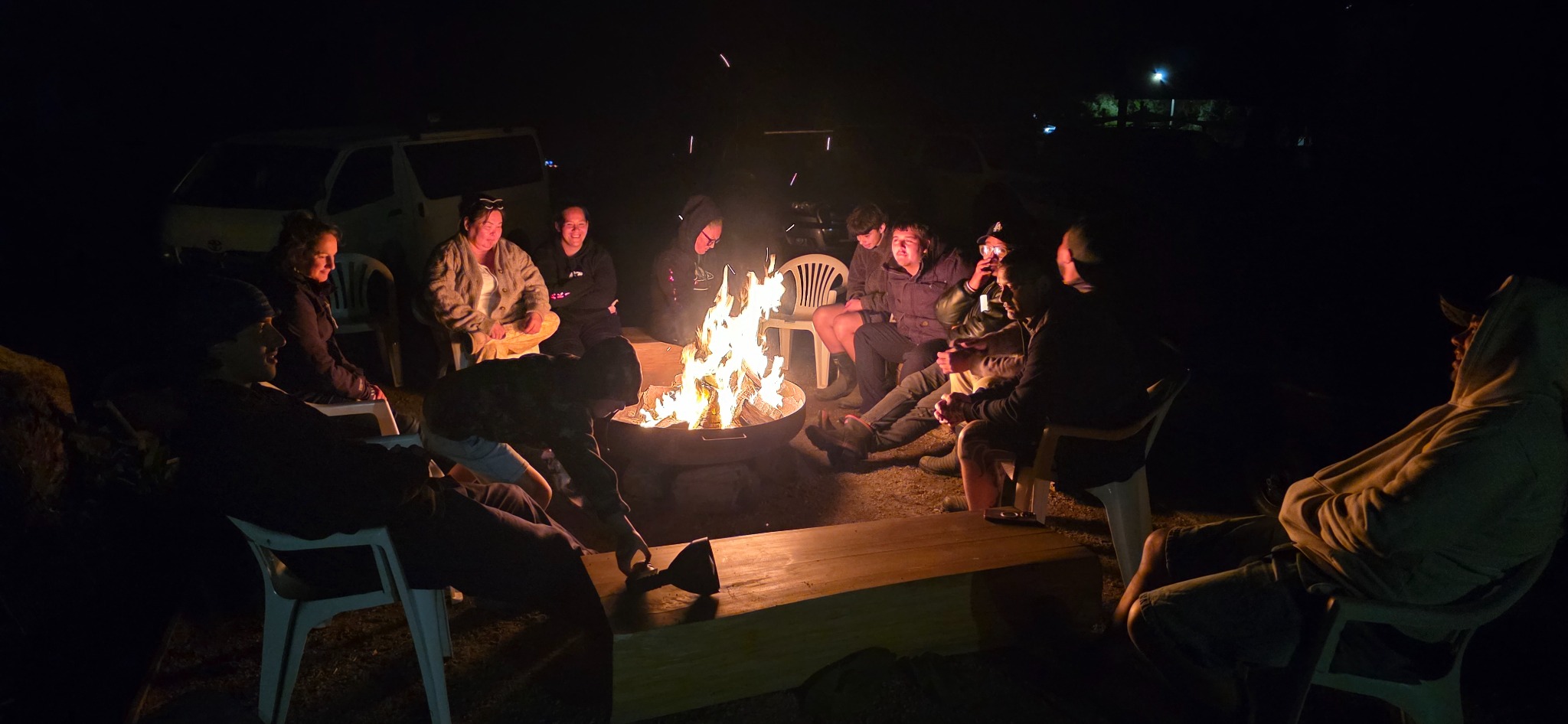
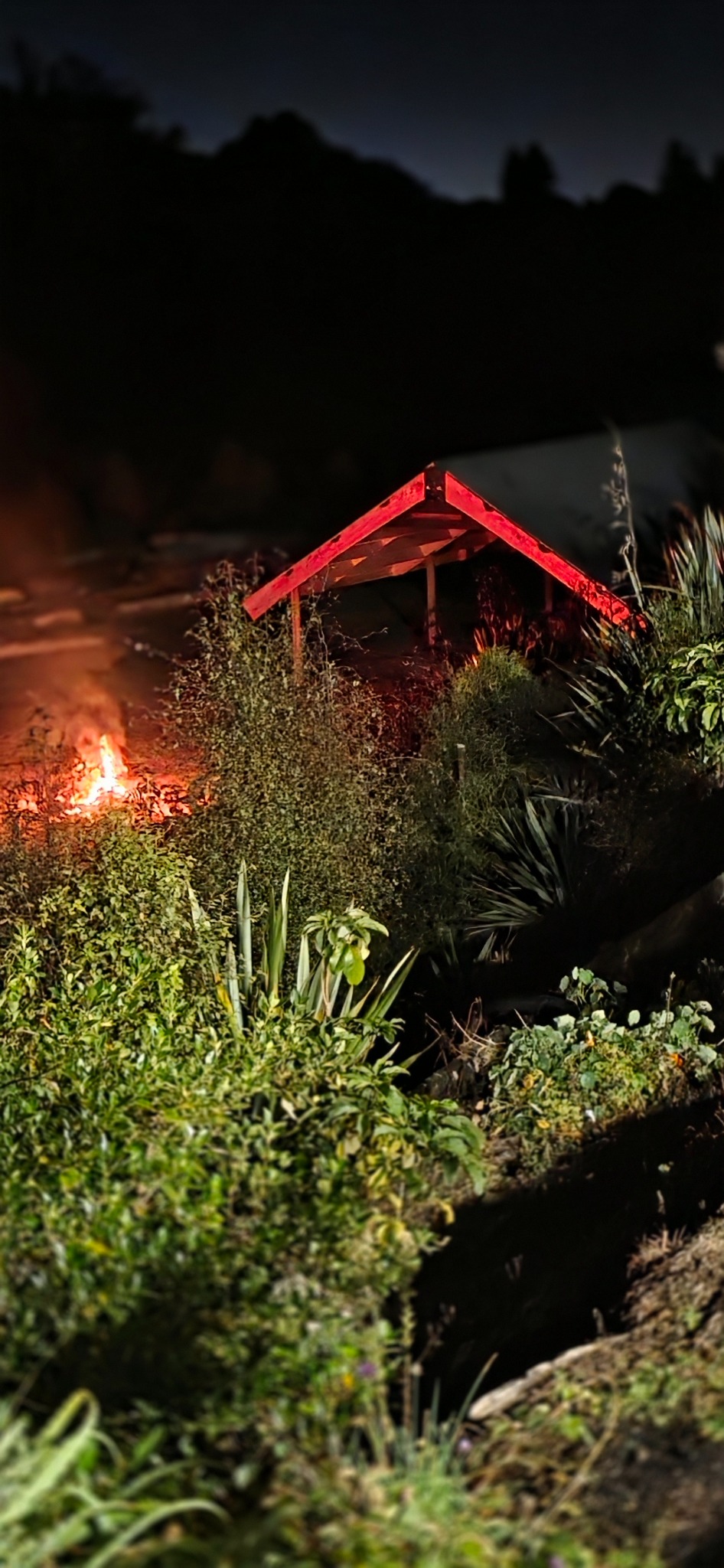
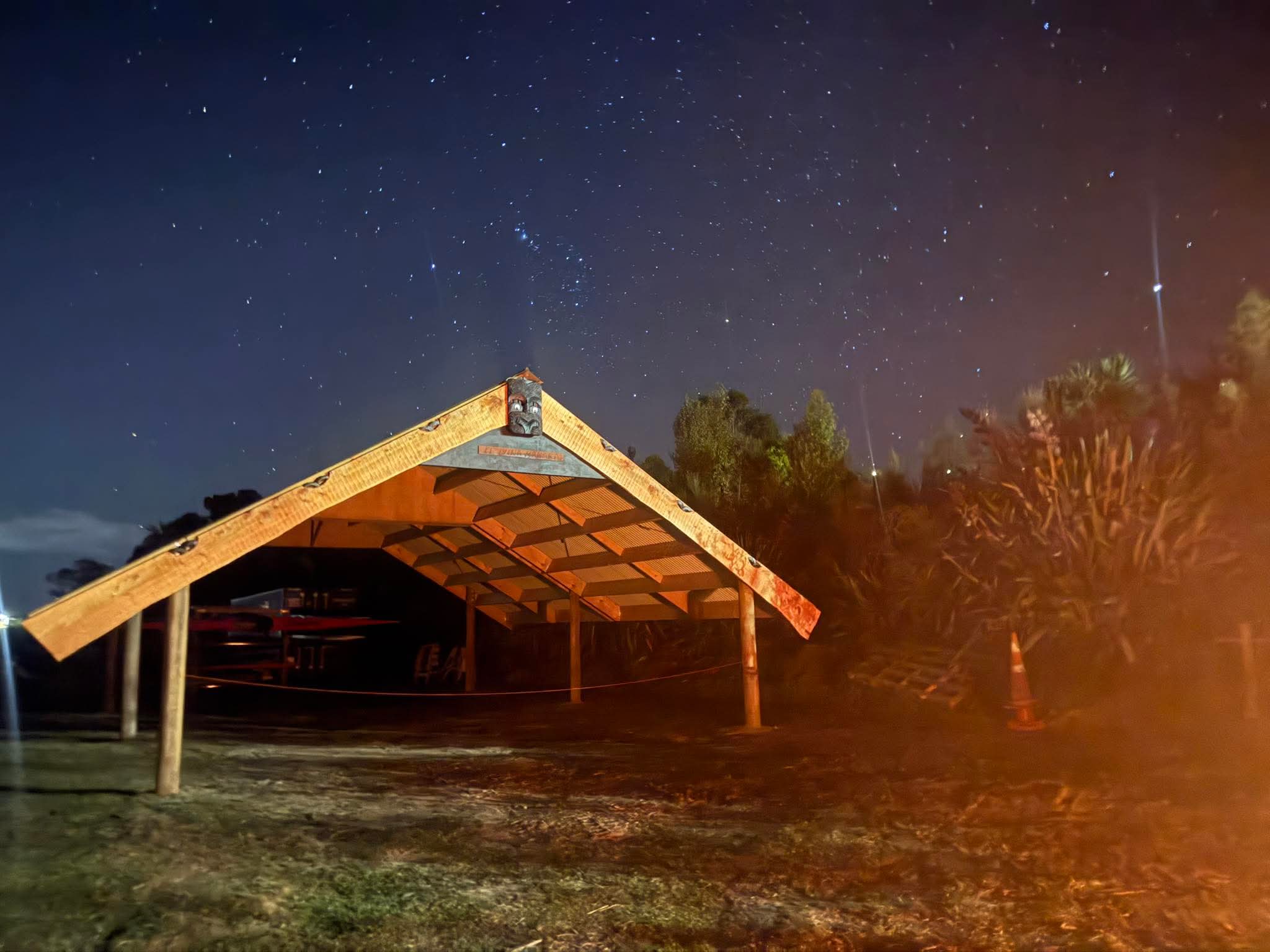
A growing collection of photographs from our marae, people and kaupapa.
Loading gallery…
He kōrero
Stories from our place
Hear how art, kai, housing, community connection and Te Awa Tupua come together at Te Ao Hou.
Listen to the story ↗Te Papa Atawhai · DOCCommunity planting and tribal knowledge support restoration for atutahi and the health of the Whanganui River.
Read the story ↗Facebook · Events & bookingsOur Facebook page provides photos and videos of events that occur at the marae, including information about monthly marae bookings.
Visit our Facebook page ↗Haere mai
Visit and connect
All bookings for Te Ao Hou Marae are to be sent to Geoffrey Hipango by email and/or cellphone. The marae is available for hireage and is an alcohol- and drug-free venue.
If you are visiting for the first time or bringing a group, please make contact beforehand so that appropriate arrangements and tikanga can be discussed.
Kia puāwai ngā wawata
We welcome kōrero with whānau, artists, volunteers, funders and organisations who share a commitment to culture, people and place.
Start a conversation